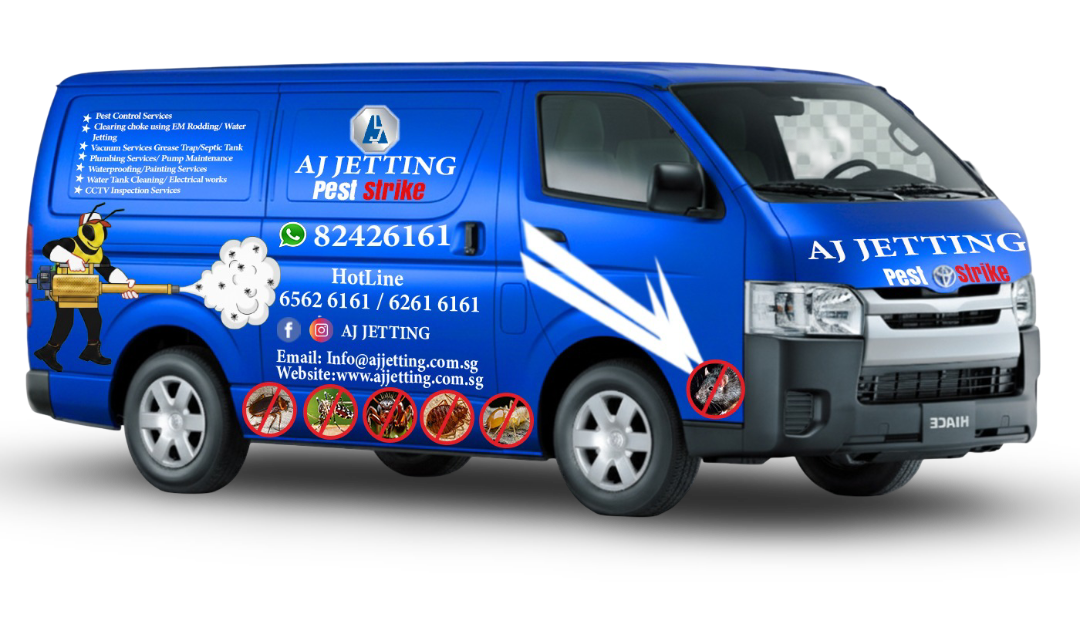
At AJ Jetting Pte Ltd, we bring our 18+ years of expertise in specialized services to pest control. As a trusted NEA-licensed provider in Singapore, we offer eco-friendly, effective solutions for homes, offices, and commercial spaces. Our trained technicians use advanced, non-toxic methods to eliminate pests like cockroaches, rodents, termites, bed bugs, ants, and mosquitoes while ensuring safety for your family and environment.
We focus on integrated pest management (IPM) – combining prevention, monitoring, and targeted treatments for long-term results. Whether it's a one-time eradication or ongoing maintenance, we're committed to a pest-free space.
Get Free Quote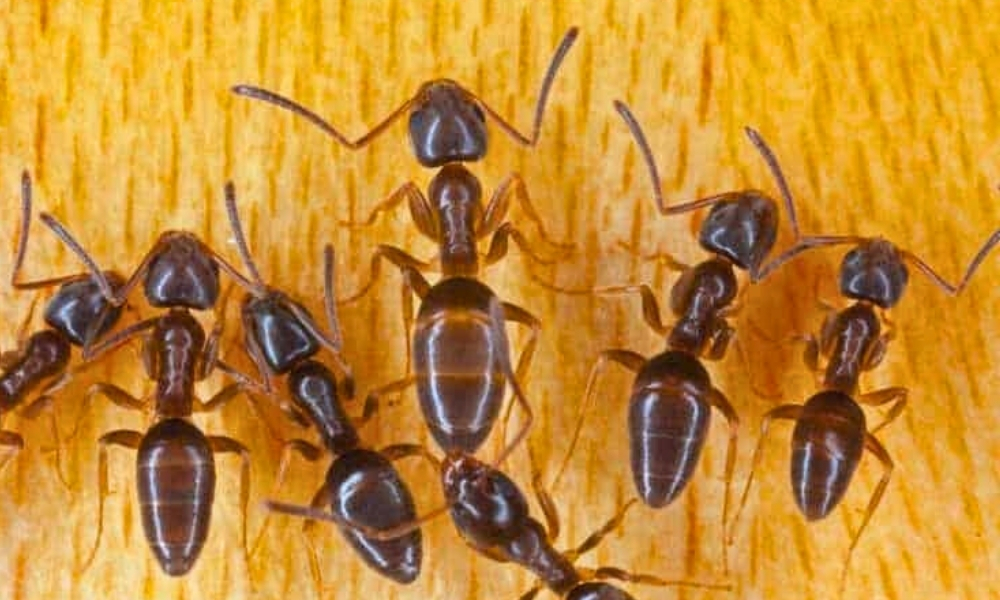
Ghost ants, also called sugar ants, favour moist environments. They are commonly found in kitchens in places like under the sink, in cabinets, or behind appliances like the refrigerator. This type favours sweet and sugary foods which possess the carbohydrates ghost ants need for their colonies and survival. Ghost ants are roughly 1.3 to 1.5 mm long and are characterized by their dark heads and translucent bodies.
Pharaoh ants are difficult for property owners to handle. These pests do not react well to pesticides. When sprayed, the ants will break up their colony and scatter to new locations, making them difficult to eliminate. Pharaoh ants will also bite when they feel threatened. They are 2mm long and feature queens who can live between 4 and 12 years. Each ant is recognizable because of its distinctive golden or yellow-brown colour. They are nocturnal and like to eat oily or protein-rich food and will live anywhere that they can form a colony.
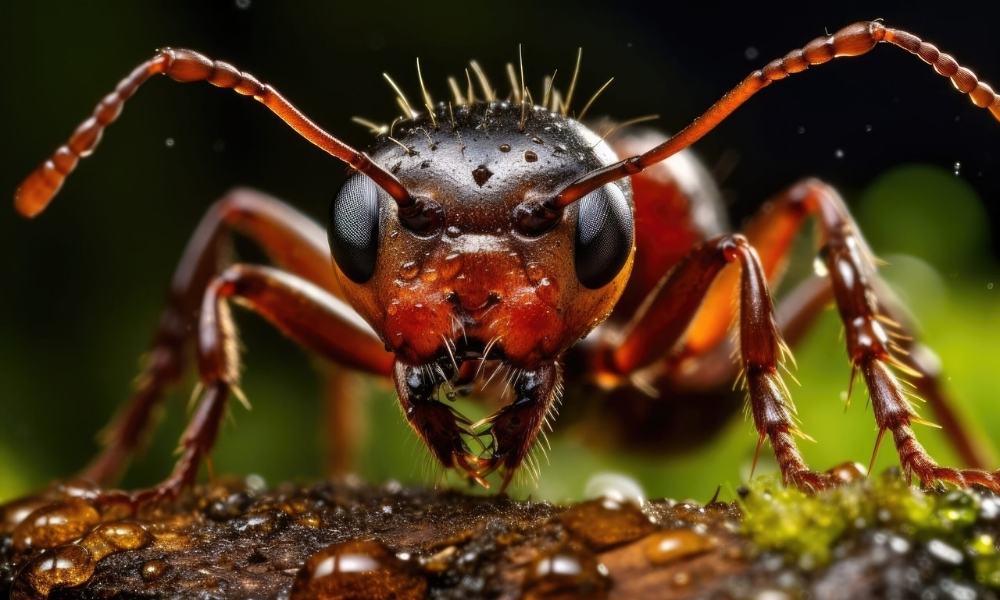
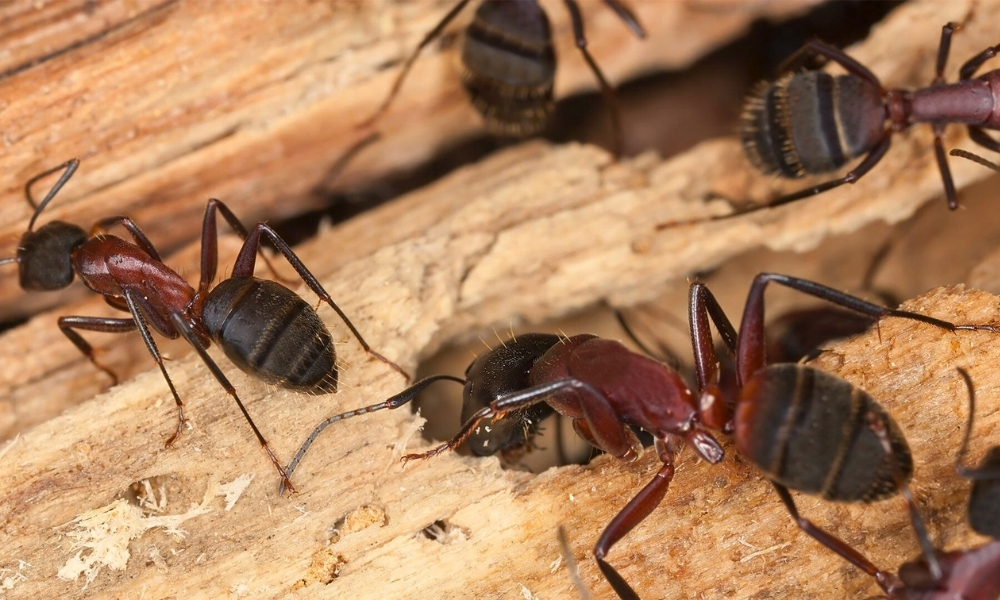
Carpenter ants derived their name from their habit of living in wooden structures and trees. They do not eat wood but will carve out an area for a colony with their mouths. Because of this trait, they are frequently mistaken for termites. Carpenter ants can be large, measuring up to 15 or 17 mm in size. They are typically black and reddish-brown and enjoy eating honeydew and dead insects. Because they are attracted to moisture, people will find them in bathrooms, kitchens, and other frequently damp areas.
Finally, there are crazy ants. Crazy ants have long legs and are typically black or dark red in color. Their name comes from one of their defensive techniques. When the colony is disturbed, they will scatter in all directions, making them difficult to kill. They can be 2 to 3 mm. in length and have long legs and antennae which give them a distinctive appearance. Crazy ants feed on all types of food but prefer sugary materials, so they will frequently live in the same region as ghost ants
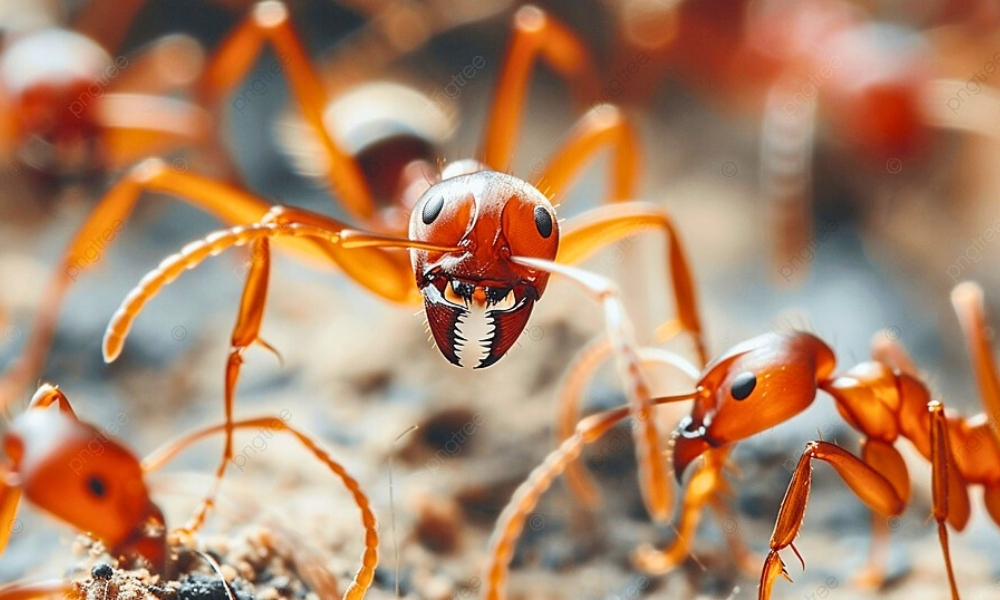
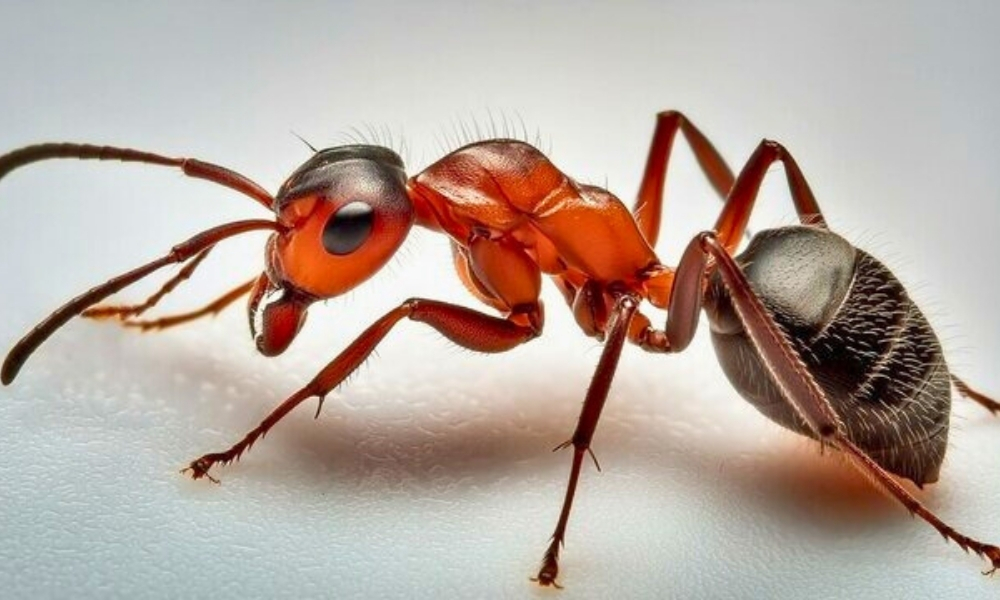
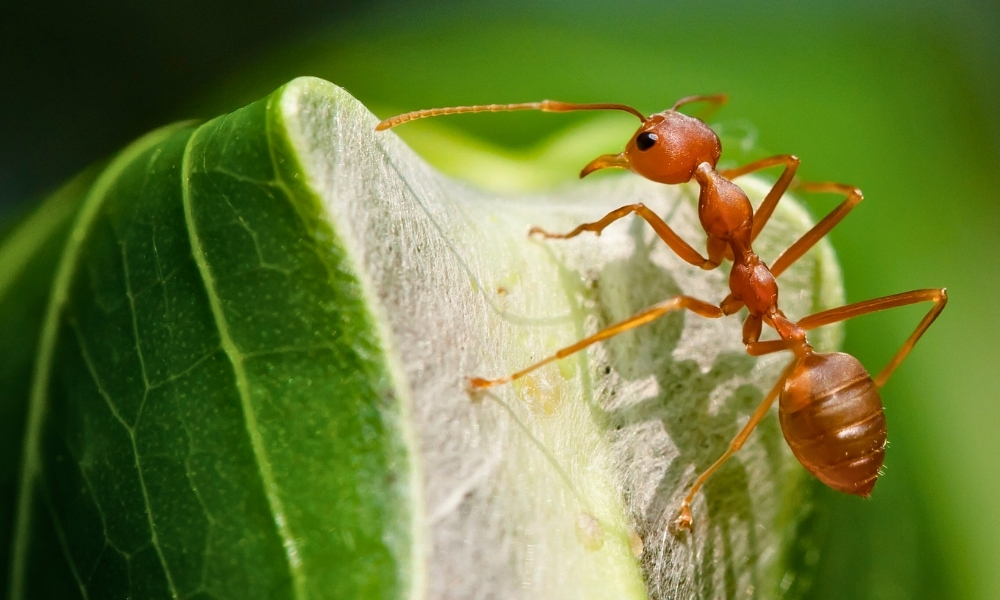
Fire Ants are aggressive small ants, around 2 to 6 millimeters in length, with reddish-brown to reddish-black bodies. They have painful and venomous sting. The venom from fire ants bite can cause discomfort, redness, itching and even allergic reaction. Fire ants establish their nests in soil and can often be met in lawns, parks, and similar areas. These ants are highly protective of their territory and will aggressively defend their nests. Because of their aggressive behavior fire ants are considered a pest.One of the most fascinating facts about fire ants is their social structure, which is built around a queen. The size of fire ants queen can be up to 28mm in length, it is the largest ant in the colony and is responsible for laying eggs. A mature fire ant colony can contain hundreds of thousands of worker ants, depending on its age and size. These workers are responsible for maintaining the nest and protecting their queen.To tackle a fire ants problem, you must first understand their habitat and behavior. Identifying their nesting sites and taking necessary precautions can help mitigate their presence. Additionally, some natural predators, such as parasitic flies, can help control fire ants populations
Weaver ants are bright coloured ants with slender bodies, typically around 4-10 millimetres in length. They usually reside in trees or shrubs, providing protection for certain plants in exchange for sugary food. Weaver ants are not considered pests as they play an important role in pest control and flower pollination. However, their aggressive behaviour can cause discomfort: weaver ants are highly territorial and can bite when defending their nests.
There are four types of cockroaches in Singapore: American (Periplaneta americana), German (Blattella germanica), Australian (Periplaneta australasiae), and brown (Supella longipalpa).
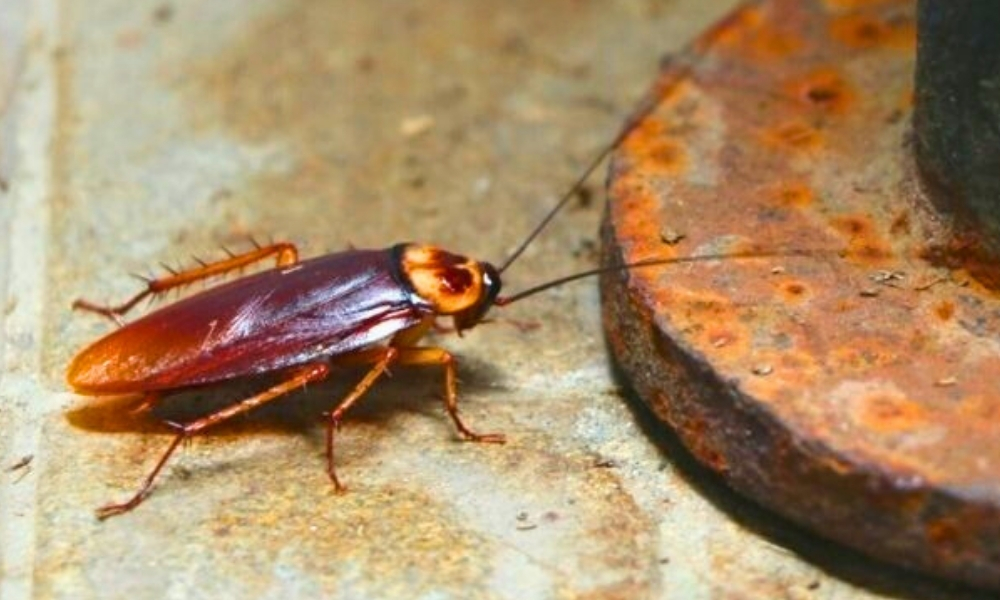
The American cockroach is the largest breed, extending to 1.6 inches in length. They are reddish-brown, have tri-segmented bodies, are winged, and have antennae on their heads.
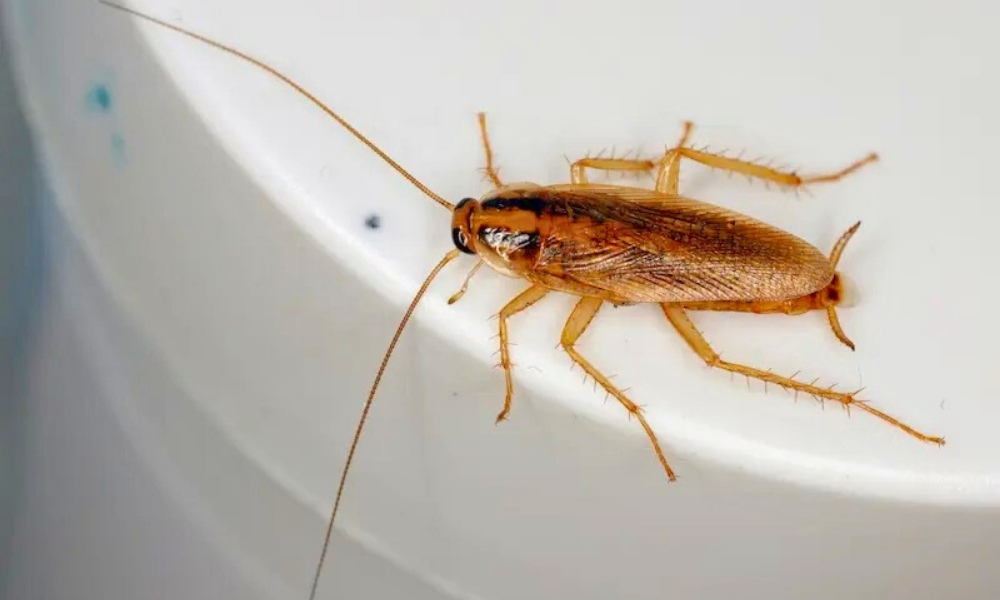
German cockroaches (Blattella germanica) are small, 1.1–1.6 cm long, brown, with two dark stripes on their back. Common in kitchens and bathrooms, they spread bacteria and allergens. At AJ Jetting, we use NEA-approved gel baits, eco-friendly sprays, sealing entry points, and ongoing monitoring to prevent re-infestation.
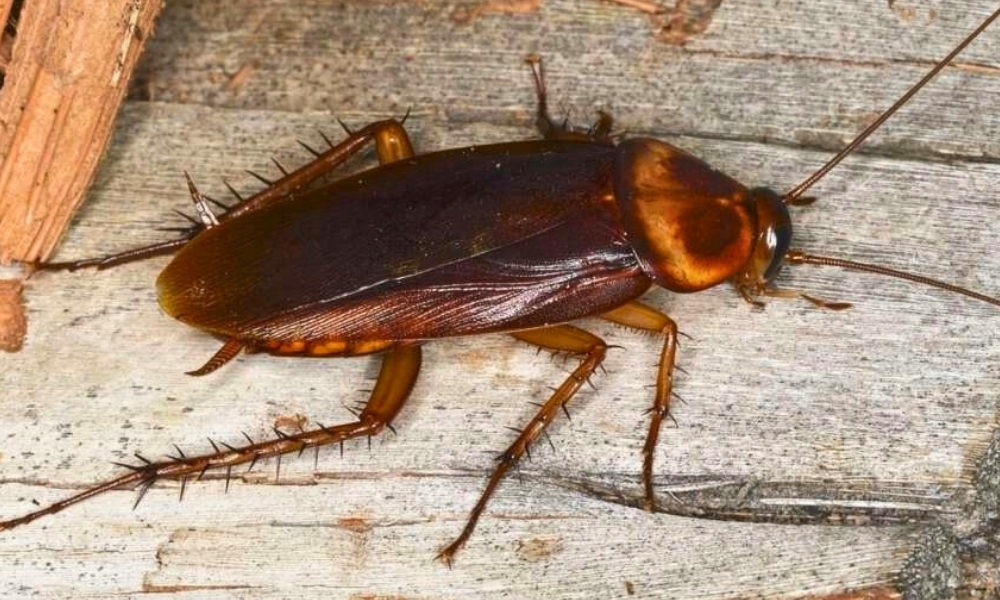
Australian cockroaches (Periplaneta australasiae) are 2.3–3.5 cm long, dark brown, with yellow markings on their thorax and wings. They prefer warm, moist areas like gardens and drains and can fly. They feed on starchy and sugary foods. Our IPM approach includes targeted treatments and environmental management to eliminate them.
Brown cockroaches (Supella longipalpa), also known as brown-banded cockroaches, are 1–1.5 cm long, light brown, with distinctive bands across their wings. They prefer warm, dry areas like cabinets and furniture, often hiding in appliances. Our treatments use NEA-approved baits and monitoring to control infestations effectively.
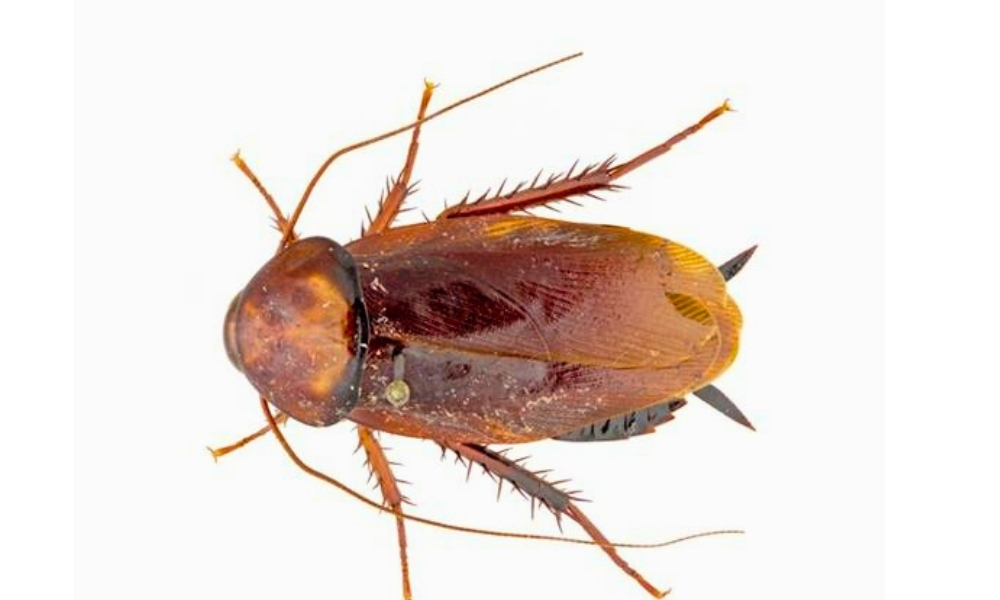
Some of the common types of cockroaches worldwide include German cockroaches, American cockroaches, brown-banded cockroaches, and Oriental cockroaches.
up to 13 mm in length, with two light yellow bands across their bodies. They can jump when disturbed and also have wings (but only males are capable of flight).
males 25 mm, females 32 mm long. They have glossy, dark-brown or black bodies. All cockroaches are indoor and outdoor pests, although the Australian cockroach prefers outdoors. Three species also prefer warm environments except for the brown cockroach, which likes dry spaces like cabinets.
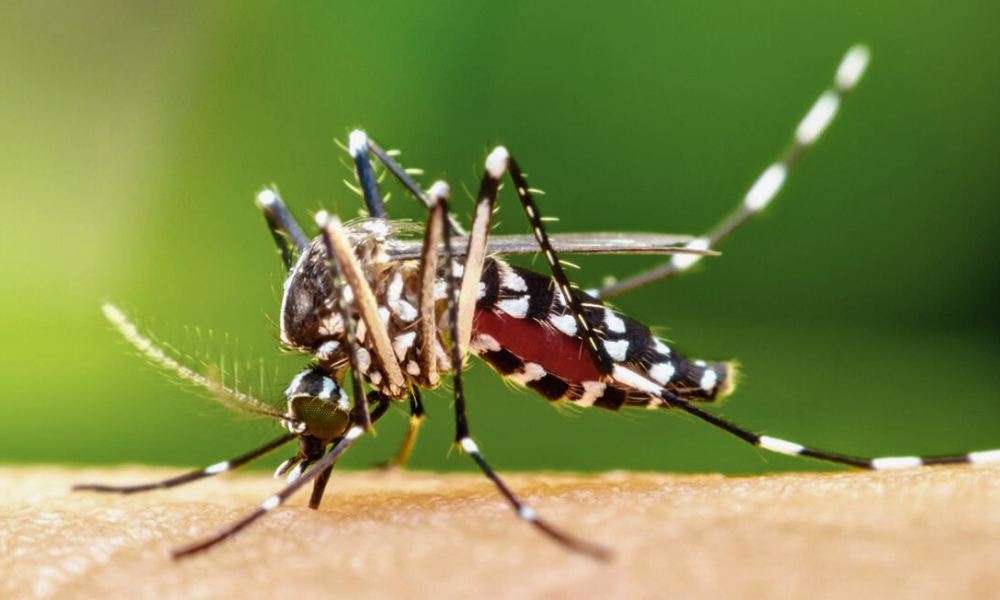
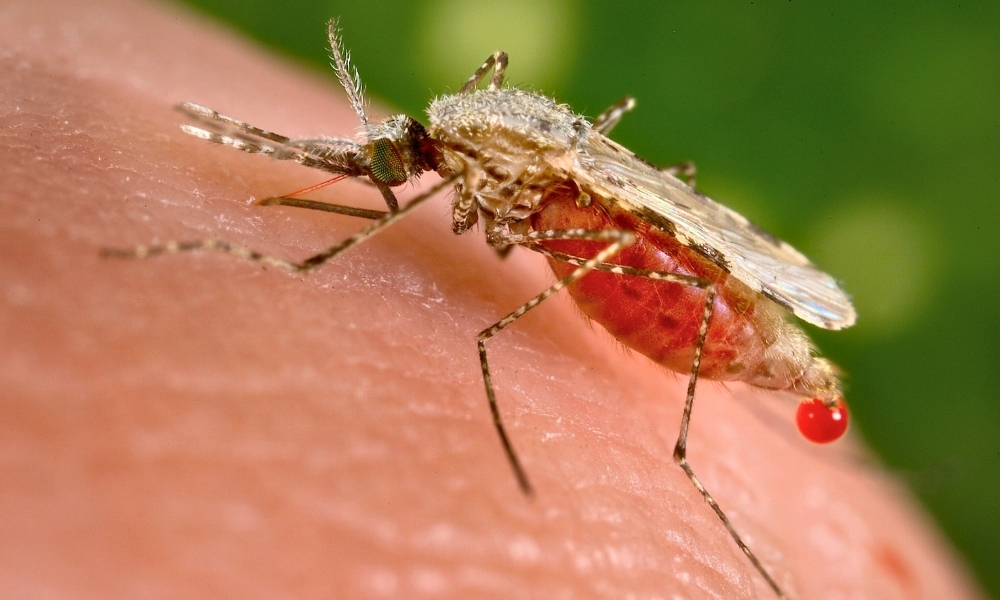
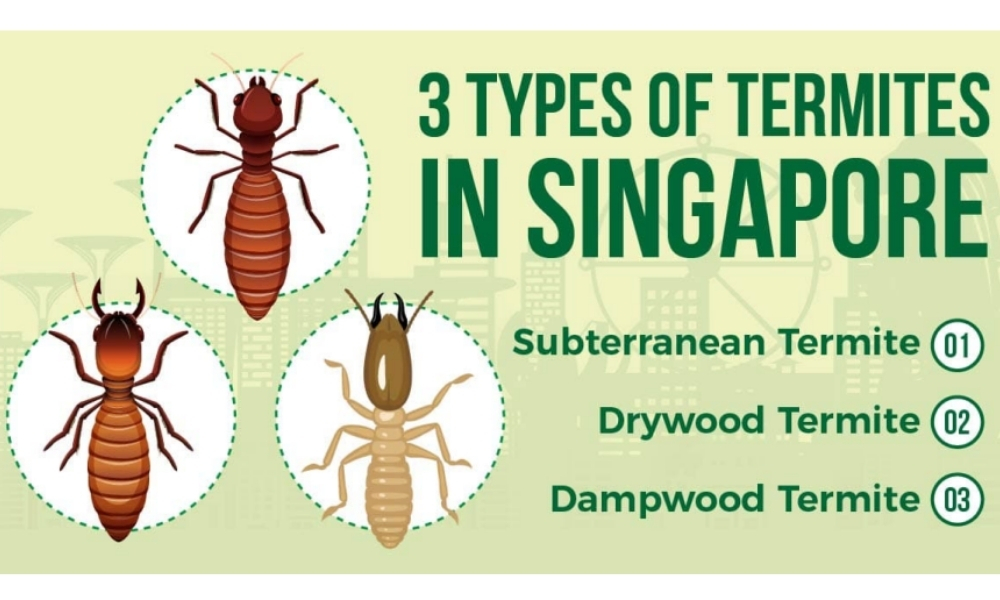
There are more than 3000 living and fossil species of termites around the world. Termites are classified into three main groups: Subterranean termites, drywood termites, and dampwood termites.
All three groups of termites live in Singapore. Subterranean termites and drywood termites are the ones of most significant concern to humans. In contrast, the dampwood termite plays a vital role in the ecosystem as a decomposer, especially in forested areas.
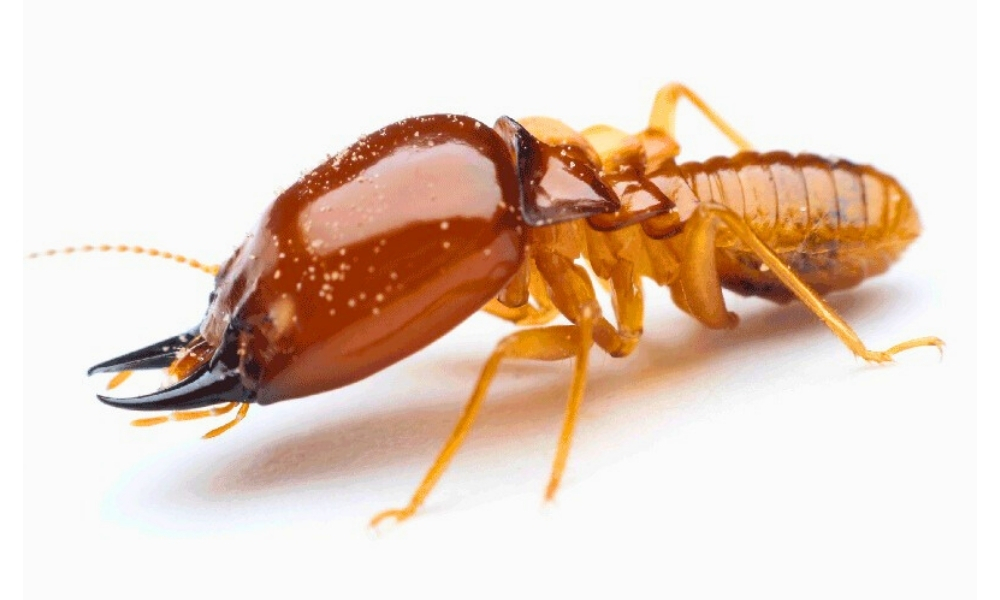
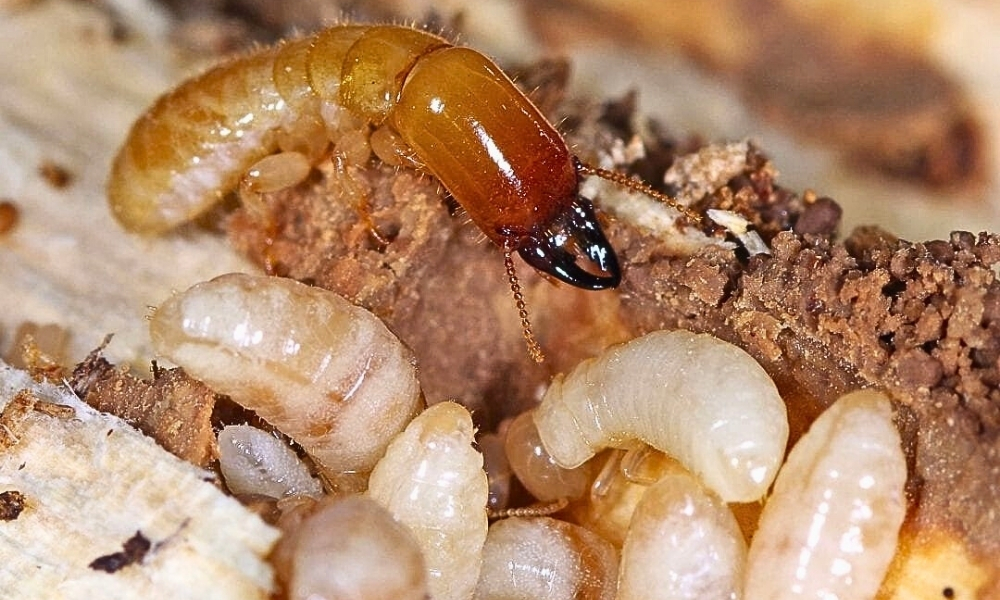
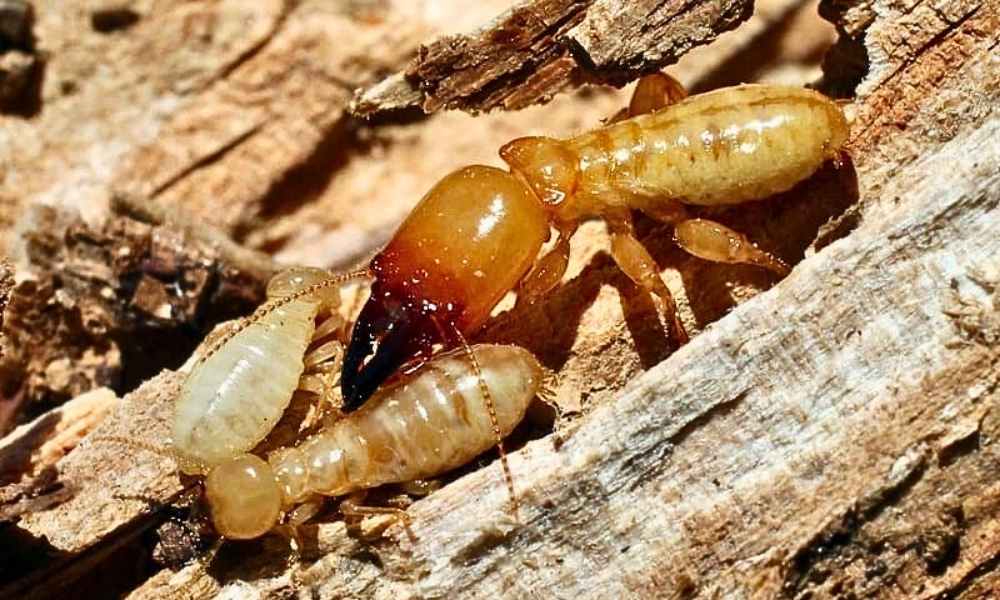
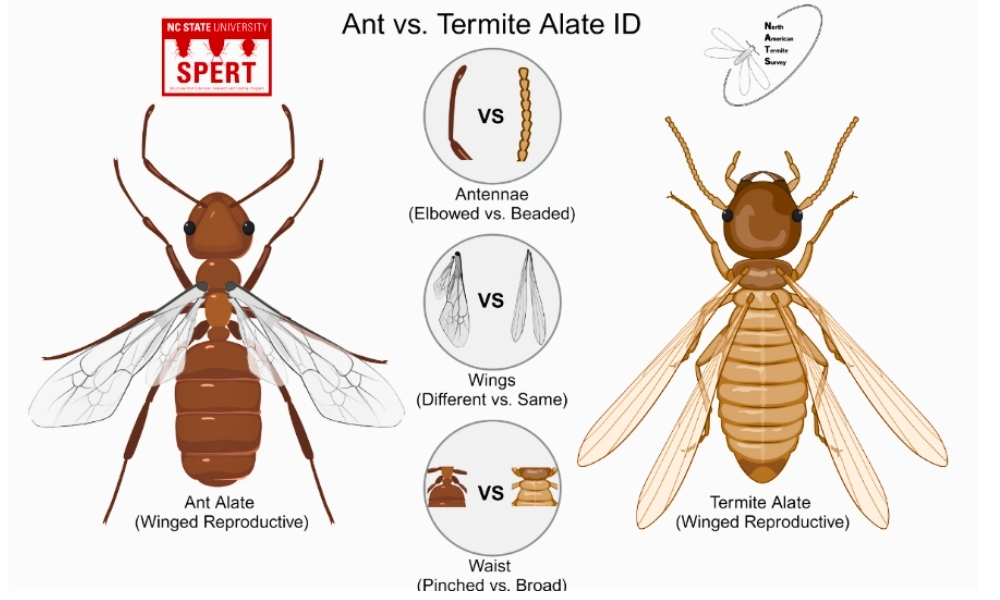
Termites are eusocial insects that live in multigenerational families, practice cooperative brood care, and division of labor. Colonies are divided into castes: reproductives, workers, and soldiers.
We treat a wide range of pests including mosquitoes, cockroaches, rodents, termites, ants, flies, and bed bugs—aligned with NEA’s vector control priorities.
Yes. We use NEA-approved pesticides and apply them with strict safety protocols. Our technicians are trained to minimize exposure and advise on post-treatment precautions.
This depends on your premises and pest activity:
• Residential: Every 3–6 months
• Food establishments: Monthly
• Warehouses & offices: Quarterly or as needed
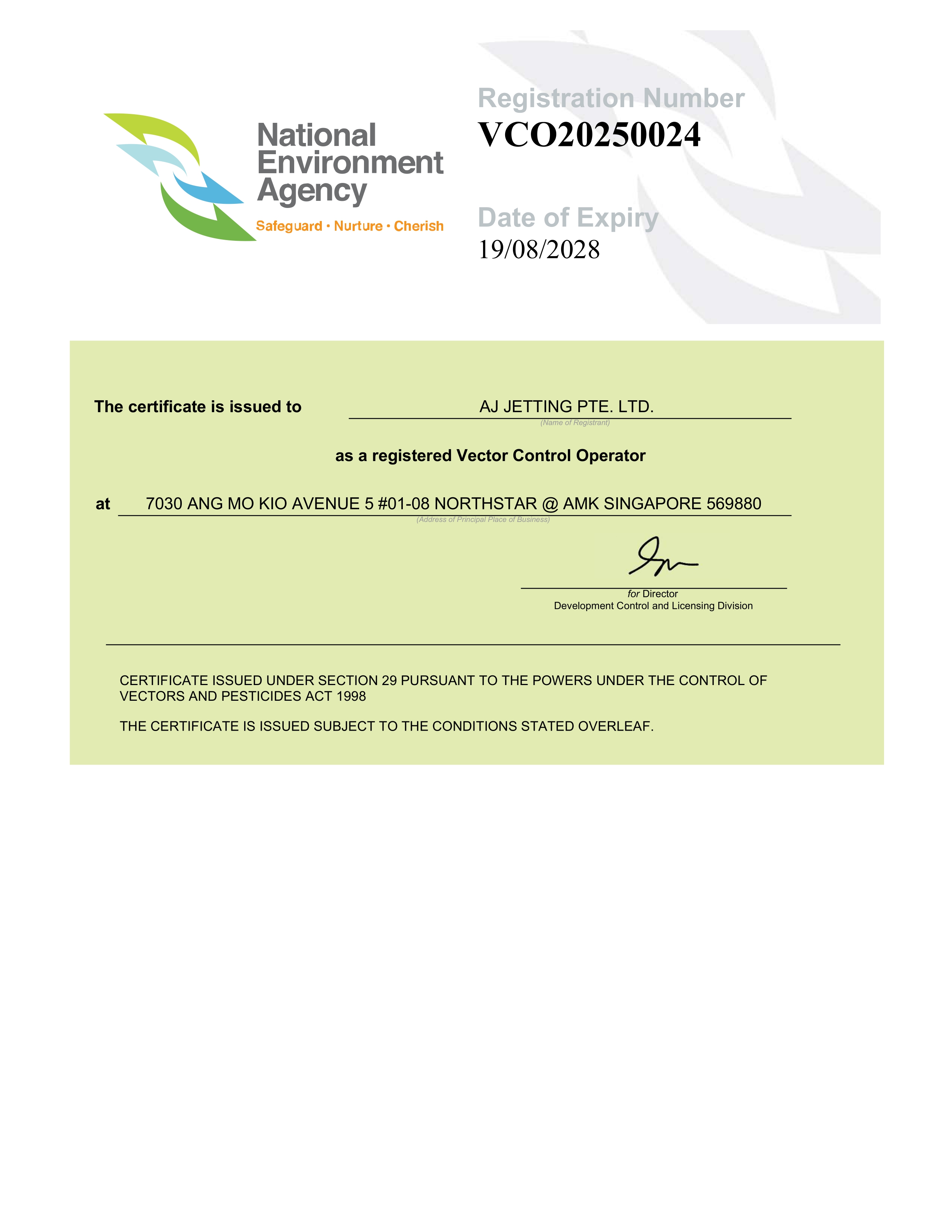
Absolutely. AJ Jetting Pte Ltd is a licensed Vector Control Operator. All our technicians are NEA-certified and undergo regular training.
Yes. We provide service reports detailing the pests treated, chemicals used, and follow-up recommendations.
Yes. We offer integrated pest management (IPM) solutions that include traps, exclusion methods, and biological controls where feasible.
• Clear access to affected areas
• Store food and utensils
• Inform us of any allergies or sensitivities
• Avoid treated areas for 2–4 hours
• Ventilate the space
• Follow any specific instructions from our technician
You can contact AJ Jetting via phone, email, or our website. We offer flexible scheduling and emergency response.
We offer follow-up inspections and retreatment if necessary, depending on your service package and warranty terms.
Not entirely. While pest control treatments can significantly reduce or eliminate infestations, complete eradication of all pests—especially in open environments—is not realistic. Pests are part of the natural ecosystem and can re-enter premises through various means (e.g., drains, windows, deliveries). At AJ Jetting, our goal is effective management, not unrealistic promises. We focus on:
• Targeted elimination of active infestations
• Preventive measures to reduce recurrence
• Client education on hygiene and structural improvements
• NEA-compliant practices that balance safety, sustainability, and results
We offer integrated pest management (IPM) solutions that combine chemical, biological, and physical controls—tailored to your property type and risk level.
• Use of NEA-approved chemicals
• Licensed technicians
• Proper waste disposal and documentation
• Adherence to NEA’s Code of Practice for Vector Control Operators
Yes. We’re happy to provide license numbers and technician certifications upon request. You may also verify them via NEA’s public registry.
We operate between 9 – 6 on Weekdays and 9 – 1 on Saturdays. However, specific arrangements can be pre-arranged for pest services after operating hours with cost consideration for manpower recall.

7030, Ang Mo Kio Ave 5, #01-08, NorthStar Building, Singapore-569880
info@ajjetting.com.sg
(+65) 6562 6161
(+65) 6261 6161




© www.ajjetting.com.sg. All Rights Reserved. Designed by AJ Groups